Challenge completed
Future-Proof Pouch Cell Design
Clarios is seeking innovative solutions to enhance the performance of Na-Ion pouch cells. Address key challenges in sealing and material selection to drive advancements in leak-proofing and durability. Join Clarios to scale your innovation and collaborate with a global leader in energy storage.
Who can take part? Open to startups, tech companies, manufacturers, researchers, and materials innovators with expertise in sealing solutions, battery manufacturing, or advanced materials science.
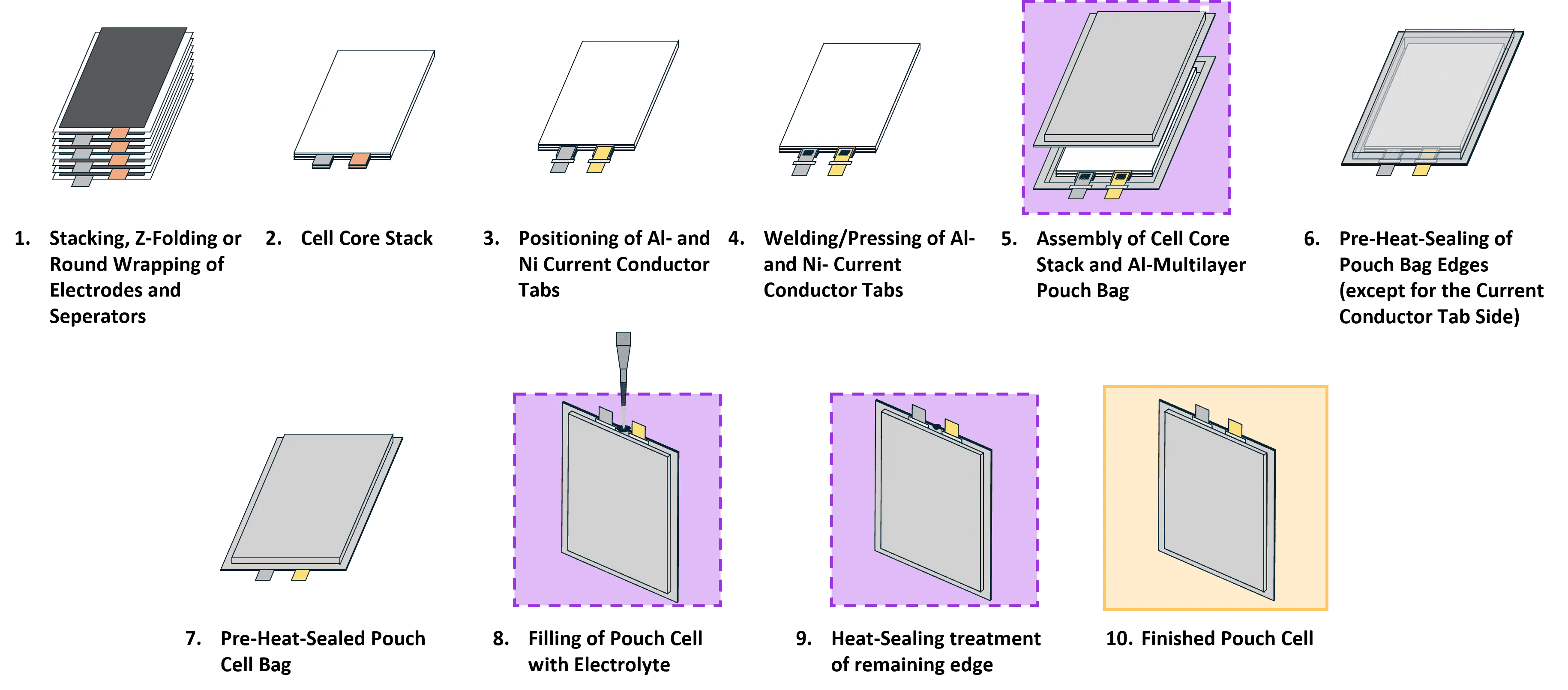
Assembly Process for Na-Ion Pouch Cells
This section outlines the current assembly steps used in Na-Ion pouch cell production, providing an overview of the key stages such as electrode preparation, sealing, and electrolyte filling. If participants propose alternative sealing techniques, the assembly process may differ, but understanding the current baseline is crucial for informed innovation.
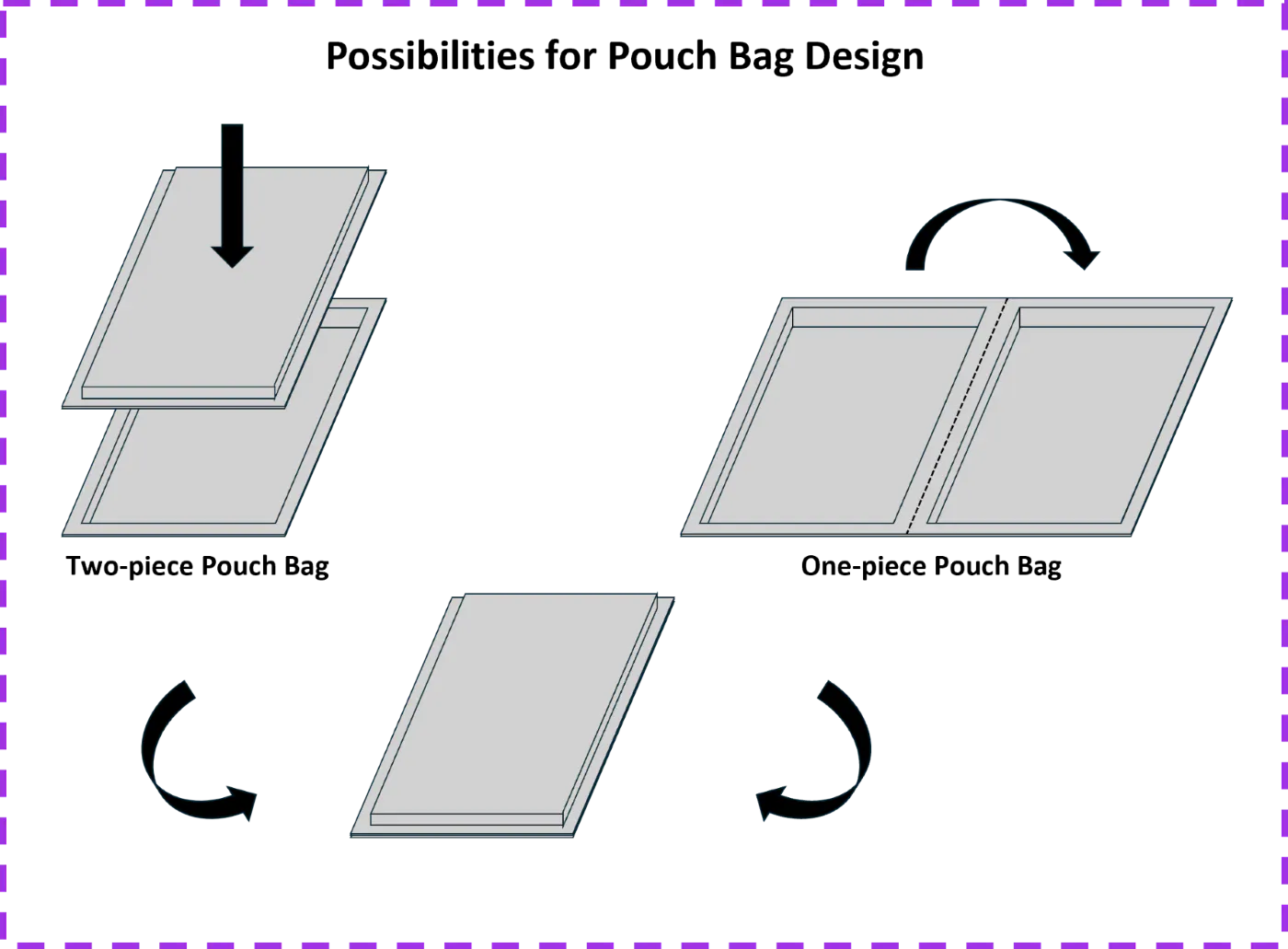
Pouch Cell Bag Design Options
Explore the design options for Na-Ion pouch cell bags, focusing on the structural differences between one-piece and two-piece designs.
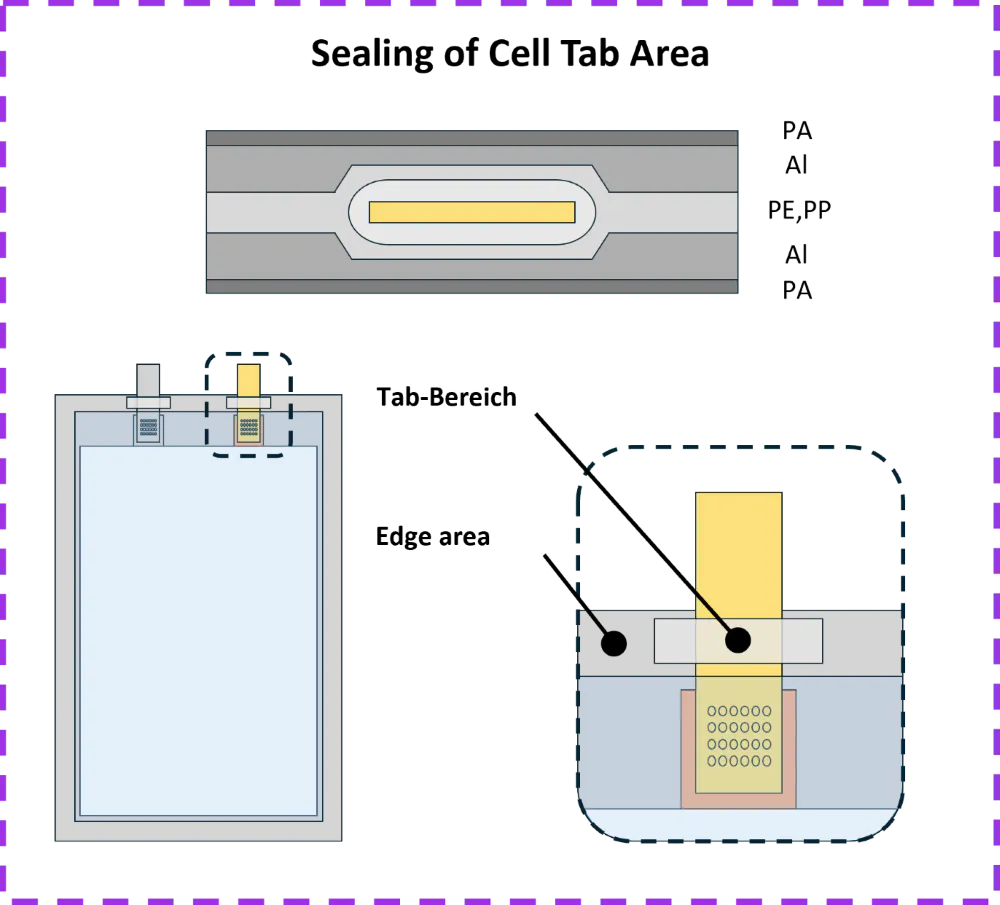
The sealing of the tab area is a critical element in ensuring long-term durability and leak prevention in Na-Ion cells. This section dives into the challenges of sealing around tabs and the materials involved.
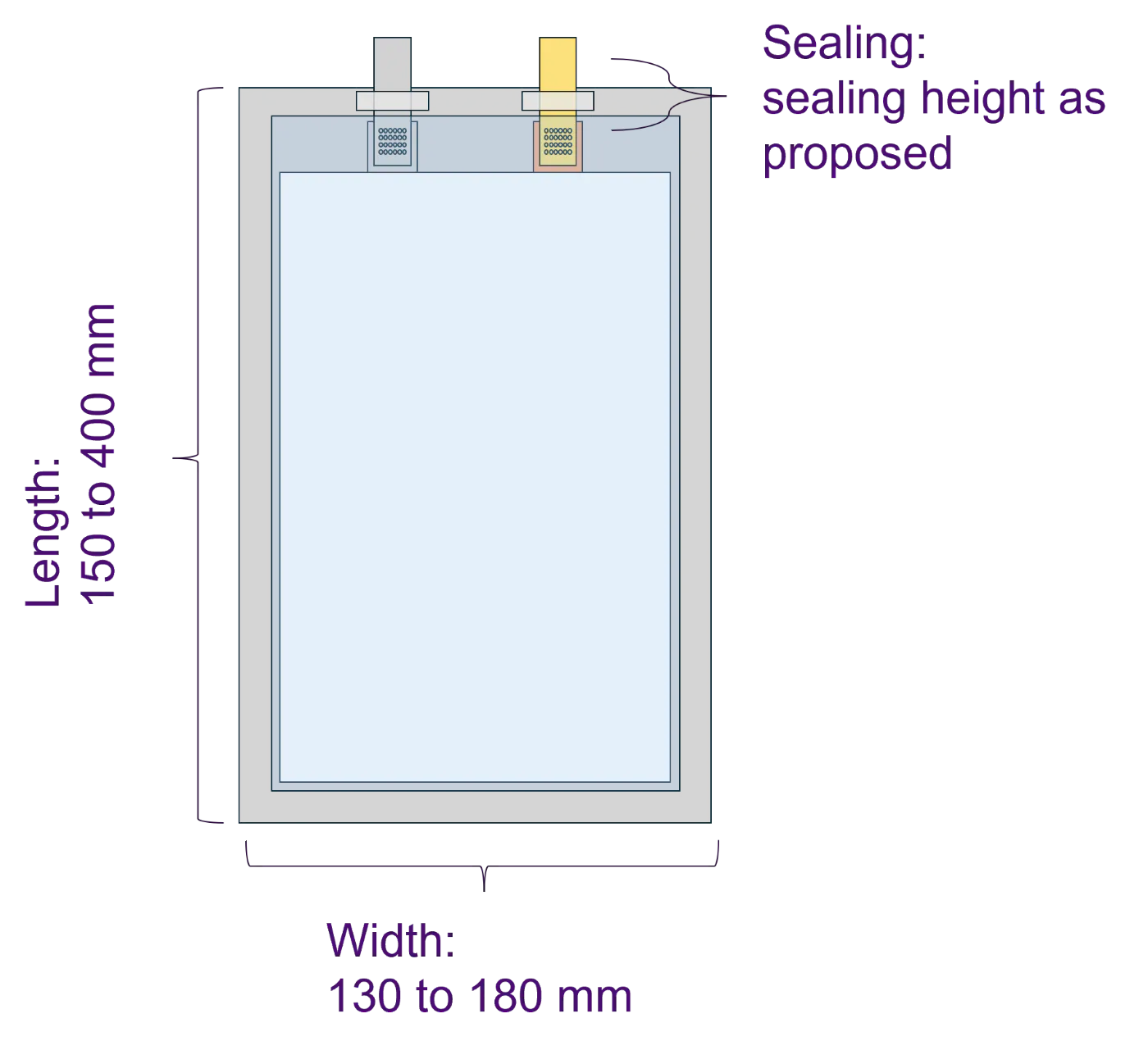
Understanding the size and dimension constraints of Na-Ion pouch cells is crucial for ensuring compatibility with existing designs and future scalability.